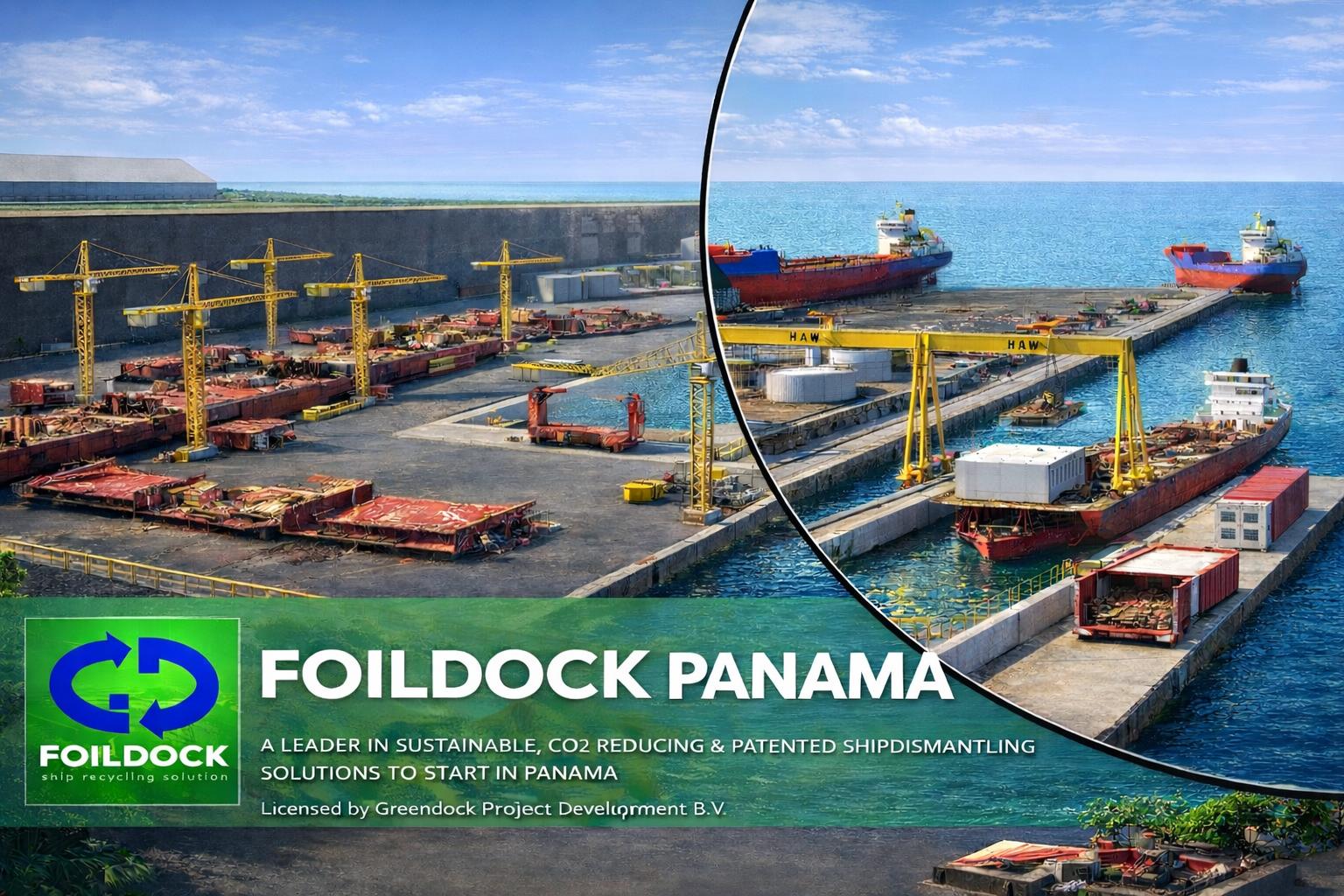
The Safe Recycling Methodology
Vessel Entry & Safe Docking
PANAMAX vessels enter the 320 m × 60 m PCT Foil Dock. Winches ensure precision positioning above support structures, creating a stable, high-fidelity working platform for dismantling.
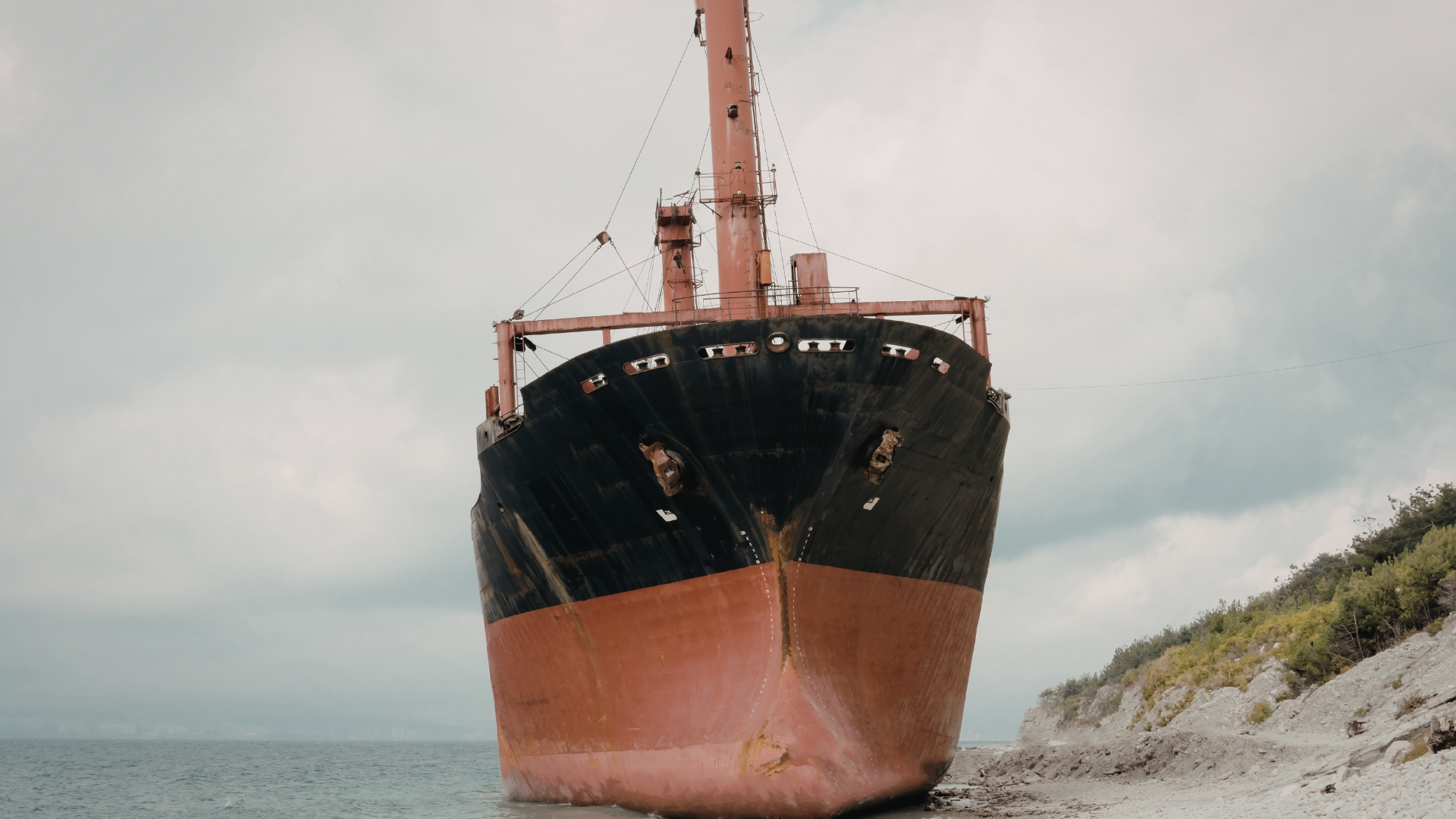
Industrial De-contamination
Rigorous removal of hazardous materials including **Asbestos**, **NORM** (Naturally Occurring Radioactive Material), **oily sludge**, and **stored chemicals**. This pre-cleaning phase guarantees a non-polluting workflow.
Dry-Dock Sectioning
Once de-contaminated, the hull is cut into 20 m segments starting from the bow. The patented dry-dock environment eliminates tidal interference and marine contamination.
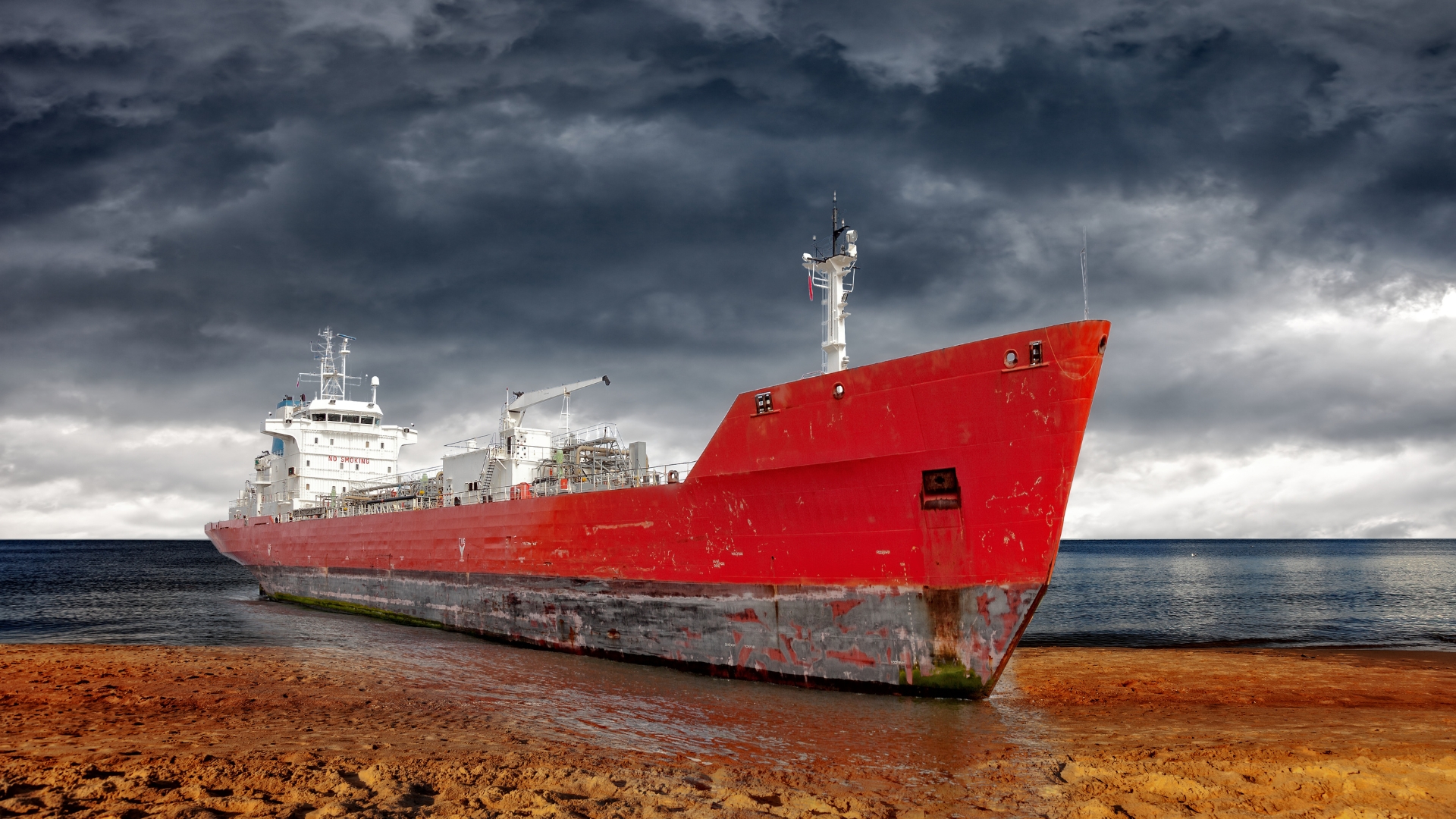
SPMT Load Transport
Segments of 800 to 1,500 tons are transported via Self-Propelled Modular Trailers (SPMT) to the yard floor. This automated logistics engine ensures zero operational backlogs.
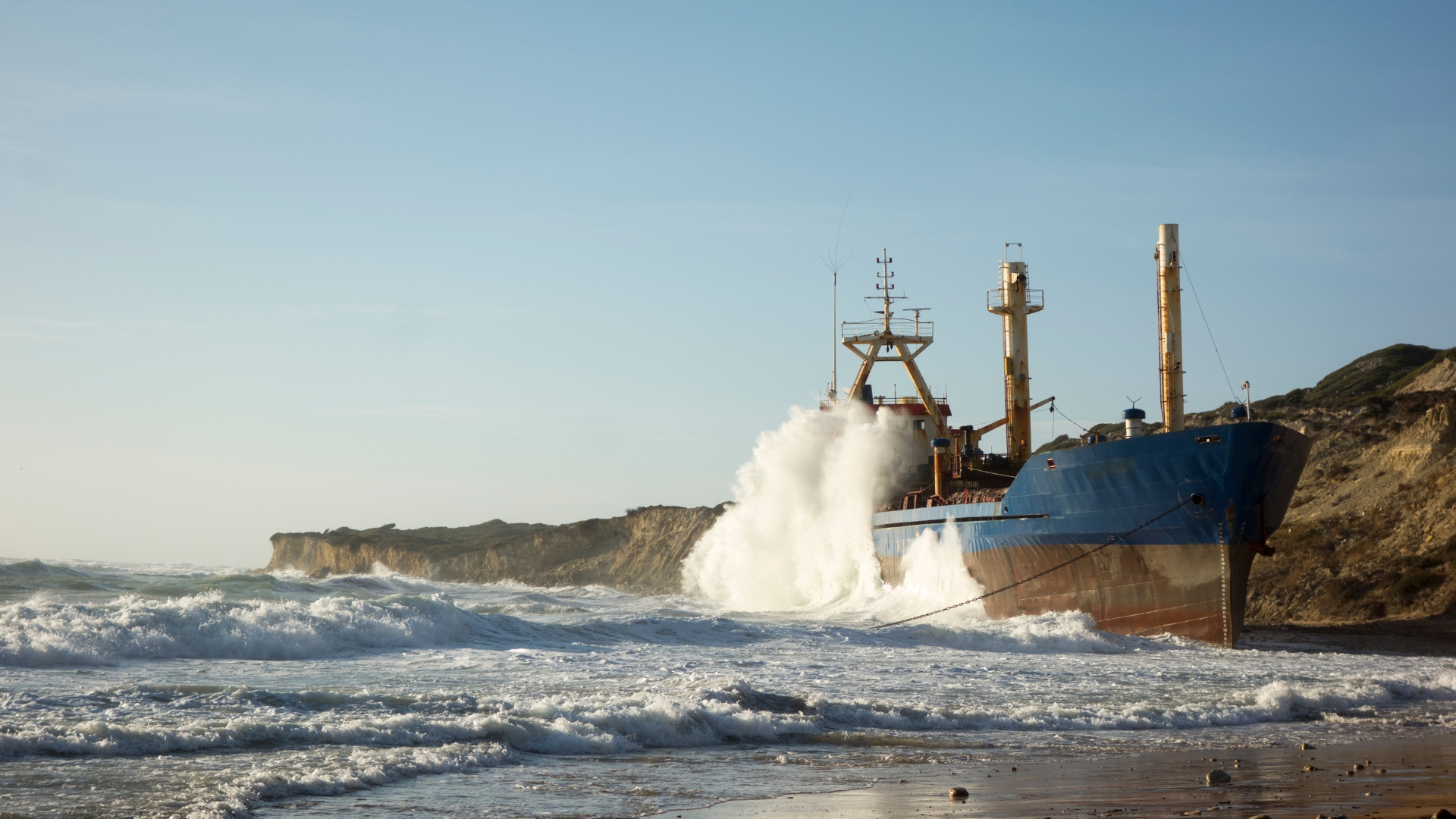
Structural Access & Worker Safety
Segments are laid flat at specialized stations. This removes workers from heights and confined spaces, providing optimal access for the final processing of high-grade scrap.
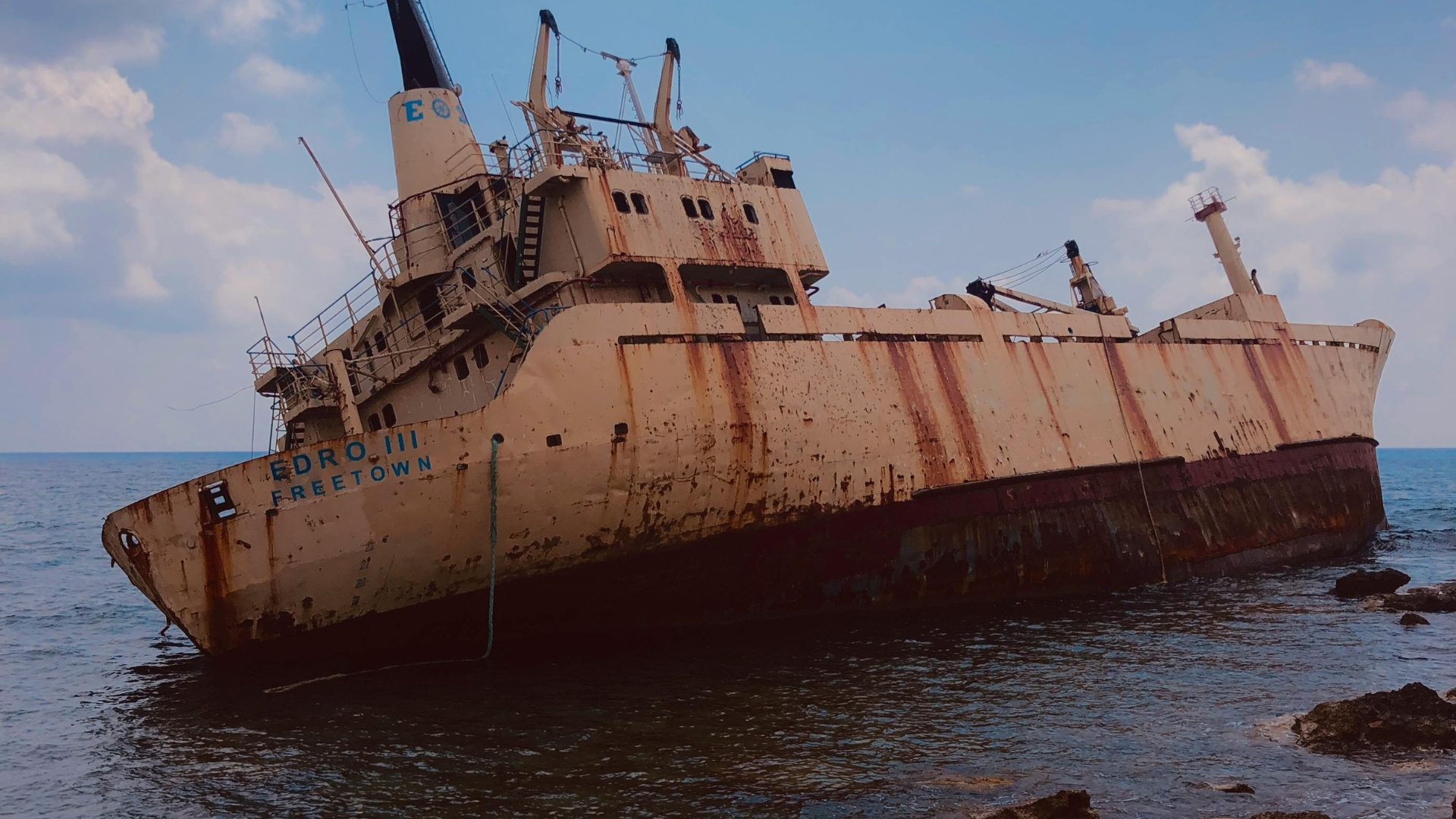
Green Steel Circular Loop
Scrap is precisely sorted and delivered to smelting plants. Our output provides a 99.0% pure feedstock, bypassing carbon-intensive blast furnaces for regenerative green steel production.
The Circular Maritime Ecosystem
FoilDock Panama is more than a recycling facility; it is the industrial engine driving the global maritime circular economy. We bridge the gap between end-of-life retiral and the production of regenerative green steel.
Cradle-to-Cradle Design
Regenerative design principles and green material selection for future-proof vessels.
Material Passport
Comprehensive digital tracking of hazardous materials and assets throughout the ship lifecycle.
Operation & Logistics
Safe and efficient maritime operations, including refurbishing and repair services.
FoilDock Recycling
The core retiral engine: Zero-pollution, cold cutting, and full environmental containment.
Green Steel Recovery
Producing 99.0% pure scrap steel for local Electric Arc Furnaces, closing the metal loop.
Circular Innovation
Strategic R&D to continuously improve dismantling efficiency and material recovery rates.
HUB
Cradle-to-Cradle Design
Regenerative design principles and green material selection for future-proof vessels.
Material Passport
Comprehensive digital tracking of hazardous materials and assets throughout the ship lifecycle.
Operation & Logistics
Safe and efficient maritime operations, including refurbishing and repair services.
FoilDock Recycling
The core retiral engine: Zero-pollution, cold cutting, and full environmental containment.
Green Steel Recovery
Producing 99.0% pure scrap steel for local Electric Arc Furnaces, closing the metal loop.
Circular Innovation
Strategic R&D to continuously improve dismantling efficiency and material recovery rates.
Visualizing the FoilDock Process
These animations provide a comprehensive overview of the patented FoilDock system in action. Witness the step-by-step methodology, from the vessel's safe entry to the final processing of 99.0% pure green steel, all within a zero-pollution, globally compliant framework.
Global Authorities on Ship Beaching
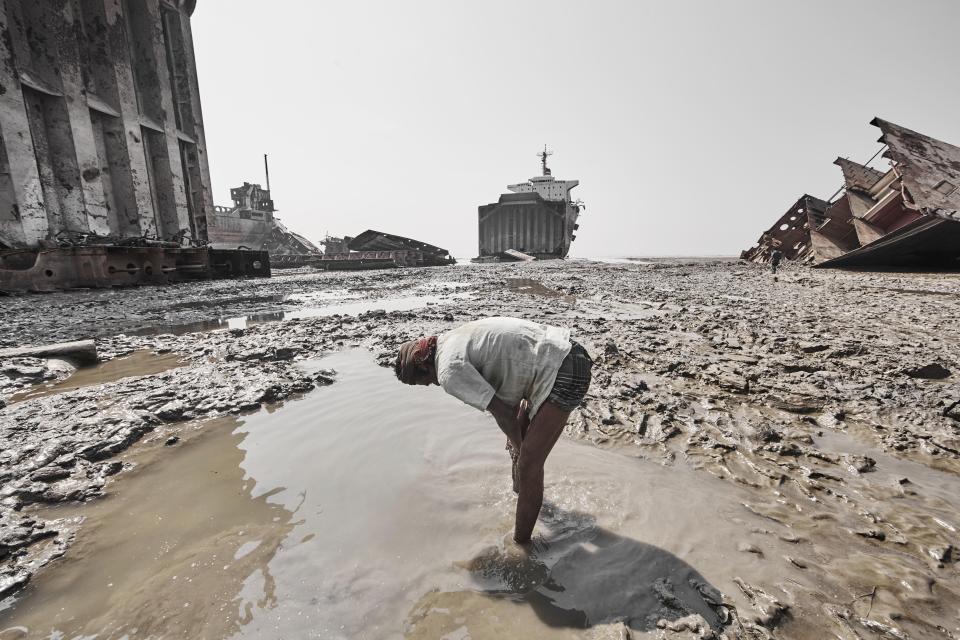
The Current Crisis
Thousands of vessels are still retired annually using polluting beaching methods, washing hazardous materials into the world's oceans.
Leading international bodies have documented the severe environmental, human rights, and economic consequences of traditional ship beaching.
Their findings underscore the urgent need for a globally compliant, safe, and sustainable alternative. FoilDock is the industrial response to these documented failings of the status quo.
- Categorizes beaching as the "most dangerous and polluting form of ship disposal in the world".
- FoilDock eliminates beaching entirely by moving dismantling to a stable, land-based dry-dock.
- Ensures full containment of hazardous substances, preventing direct contamination of the marine ecosystem.
- Has documented workers dismantling massive vessels with little more than blowtorches while wearing only "baseball caps and flip-flops".
- FoilDock provides a professional industrial environment with mandated PPE and automated cutting systems.
- Eliminates confined space hazards and falling plate risks through our structural flattening methodology.
- Has described these beaching zones as "toxic hotspots" where lead, mercury, and arsenic are washed directly into the ocean.
- FoilDock utilizes a 100% impermeable basin to capture all residues, particulates, and chemical run-off.
- Ensures that sensitive coastal ecosystems like mangroves are protected from industrial impact.
- Has reported significantly lower life expectancy for workers in traditional hubs due to toxic exposure.
- Our de-contamination phase removes Asbestos and radioactive material (NORM) before workers enter dismantling zones.
- Provides medical oversight and specialized training for handling hazardous industrial waste.
- Argues that developed nations "export their waste problems" to the Global South where laws are weak.
- FoilDock establishes a globally compliant standard in Panama that exceeds even EU member state regulations.
- Supports local fishing communities by guaranteeing zero-pollution run-off into regional waters.
The Elements Of A FoilDock
The different functions on the operations site allow a break up of tasks, making the entire process stations more efficient and specialized moving forward.
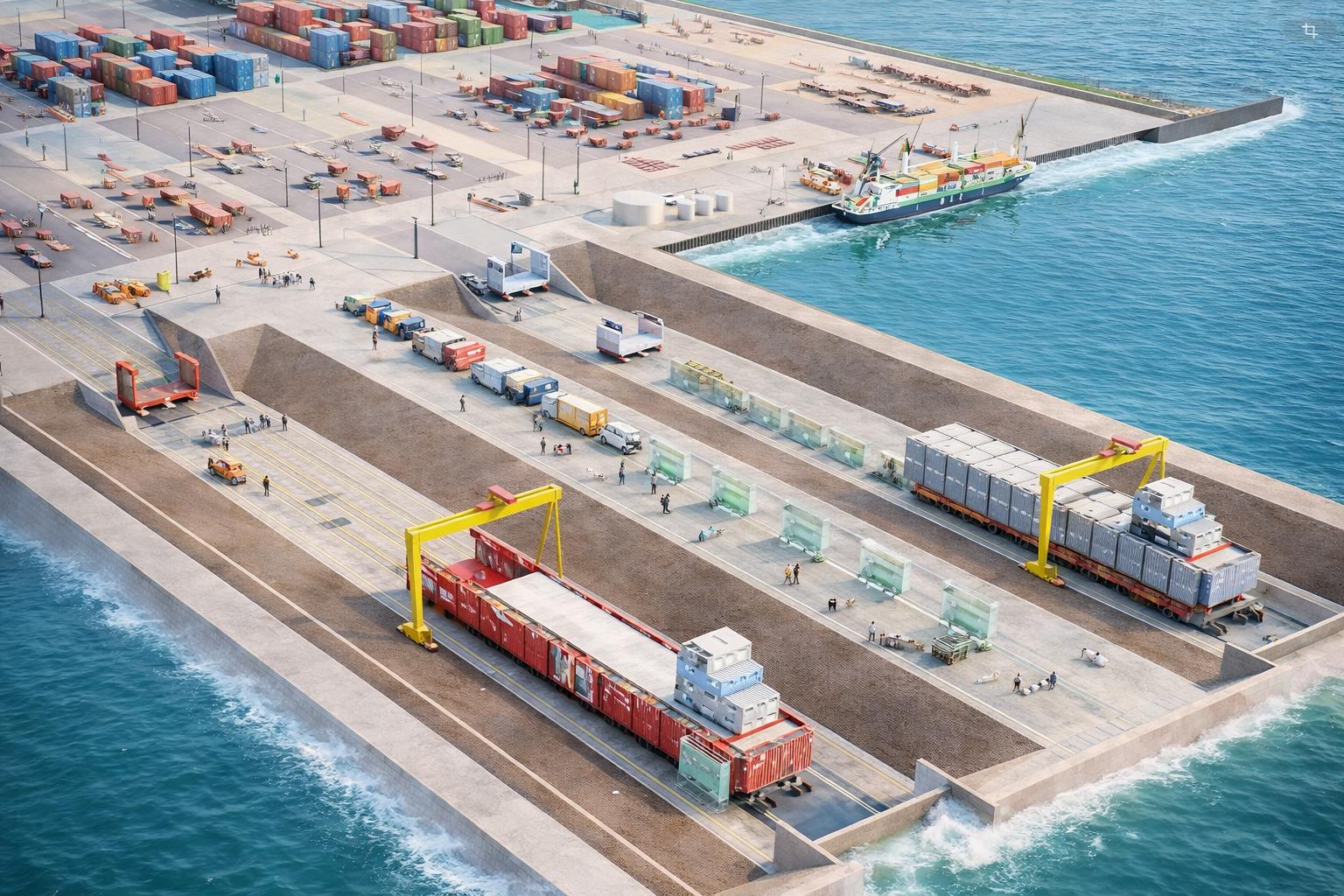
Integrated Safety Protocols
Each functional zone is strictly isolated to prevent cross-contamination and ensure that specialized crews operate under certified ISO 30000 safety standards.
Take the Next Step
Our technology is being deployed at key maritime locations in Panama. Explore our projects or contact us to discuss how we can partner.