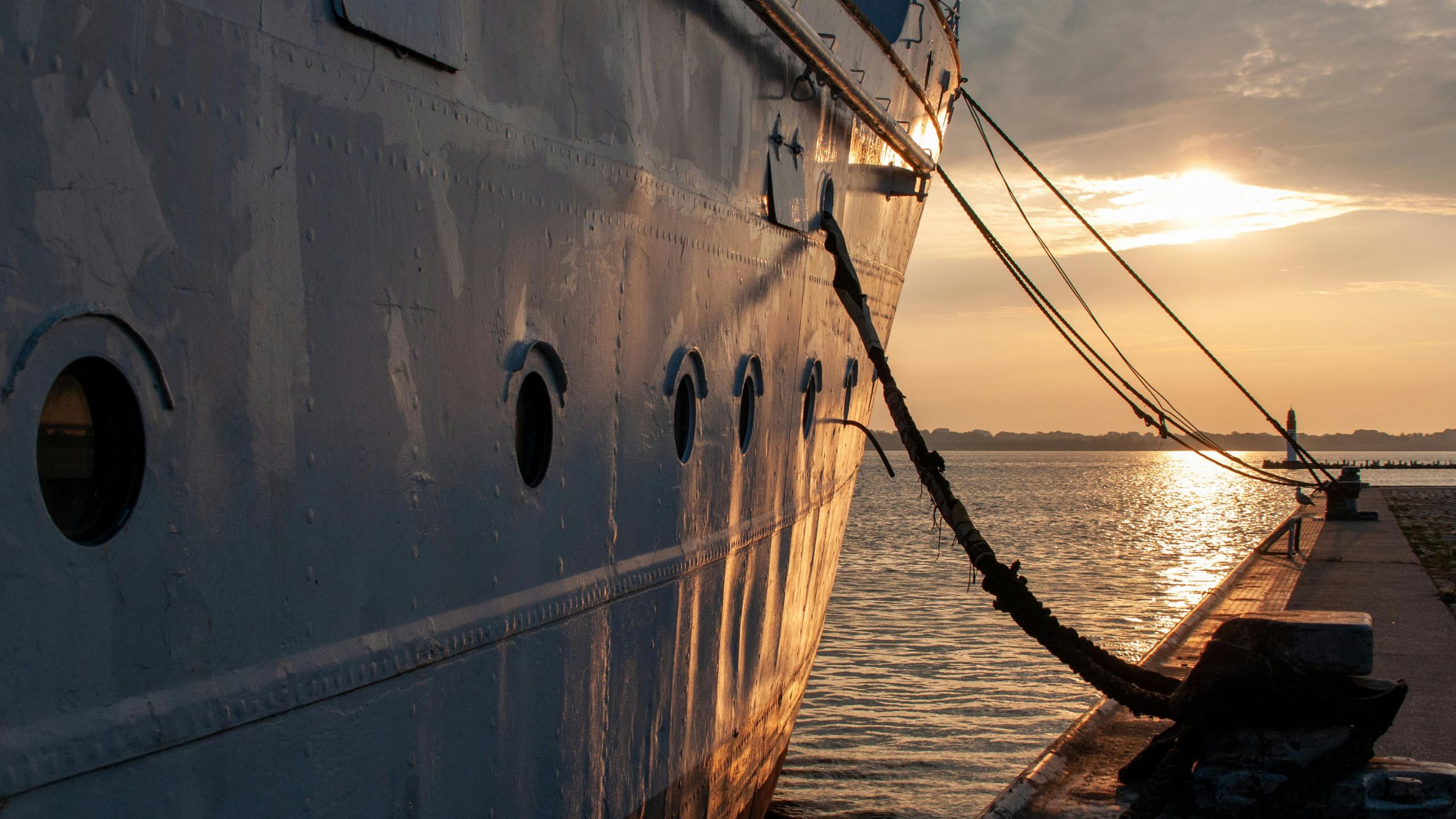
Beyond the Beach: Why the "Cradle-to-Cradle" Model is the Future of Global Shipping
Published on February 15, 2026 by GreenDock
For decades, the "end of life" for a ship was often a footnote in a vessel’s history—a messy, distant reality handled on faraway shores. But as we move through 2026, the maritime industry is undergoing a "vibe shift." The old linear model of Build, Use, Abandon is being replaced by a sophisticated, circular philosophy: Cradle-to-Cradle.
With the Hong Kong Convention (HKC) now in full force globally as of late 2025, the industry is no longer just talking about sustainability—it’s being held to it.
1. Steel: The "Secondary Gold" of the 21st Century
Did you know that recycling a single ton of ship steel saves roughly 1.5 tons of $CO_2$ compared to producing virgin steel? In an era where the construction and automotive industries are desperate for "Green Steel" to meet their own ESG targets, a decommissioned ship is no longer "scrap"—it’s a high-value resource bank. By 2026, we are seeing ship recycling move from the outskirts of the industry to the center of the Circular Economy. When done correctly, up to 95% of a vessel's weight can be returned to the global supply chain.
2. The Era of the "Material Passport"
The days of "mystery ships" full of undocumented hazardous materials are ending. One of the biggest trends this year is the adoption of Digital Material Passports. Using blockchain and advanced Inventory of Hazardous Materials (IHM) tracking, shipowners can now provide a transparent "medical record" of their ship. This isn't just about compliance; it's about asset value. A ship with a clean, digital history is worth more on the second-hand market and costs less to recycle at the end.
3. Regulatory Teeth: No More Loopholes
2026 is the year the "reflagging" loopholes began to close. With the European Union and the IMO synchronizing their standards, the pressure on shipowners to use certified green facilities has never been higher. The industry is moving toward a standard where "Safe and Green" is the only way to protect a brand’s reputation. For major cargo owners (the Ikes and Amazons of the world), the carbon footprint of their supply chain includes how the ships carrying their goods are eventually dismantled.
4. The Human Element: Safety as a Standard
Sustainable recycling isn't just about preventing oil spills; it’s about protecting people. The shift toward mechanized, off-the-beach dismantling—like the methods we champion at Greendock—ensures that workers operate in controlled, industrial environments rather than hazardous intertidal zones.High-tech ship recycling is creating a new class of "green-collar" jobs: skilled, safe, and sustainable.The Bottom LineThe "Blue Economy" cannot exist without a clean exit strategy. As we look at the global fleet aging into a new era of propulsion (ammonia, hydrogen, and wind-assist), how we retire the old guard matters more than ever.Sustainable ship recycling isn't just an environmental obligation—it’s the final, essential link in the chain of global trade.
Share this article
Intelligence Briefing
Subscribe for exclusive analysis on maritime regulations, global steel markets, and sustainable industrial practices.